

By Charlotte Lee
Fitness & Local Gyms: Finding Community Close to Home
Falcon Heights is home to some standout fitness options that cater to different styles and comfort levels. If you prefer small group training, one-on-one coaching, or a family-friendly environment, The F.I.T. Lab at 1583 Hamline Avenue delivers. With offerings like boot camps, strength training, yoga, HIIT, boxing, and martial arts, this gym emphasizes an inclusive, supportive environment where clients feel welcomed, not judged. Their focus on both physical and emotional wellness makes it a strong choice for locals.
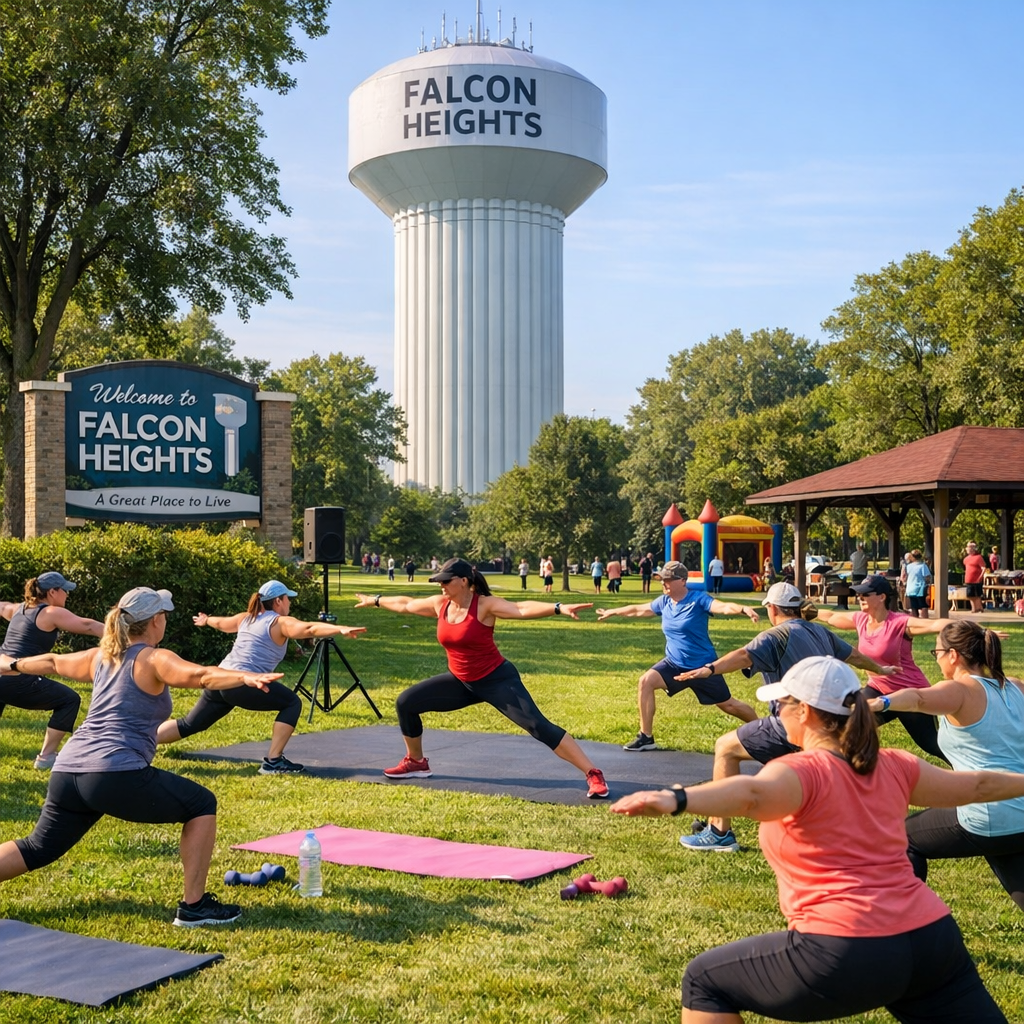
For outdoor movement, the City of Falcon Heights hosts free strength and conditioning classes at Curtiss Field. These sessions use equipment like resistance bands, dumbbells, and slam balls—great ways to build strength while enjoying fresh air and connecting with neighbors. It’s a reminder that fitness doesn’t always need a gym membership to be effective.
Support for Mental Health: Local Resources You Should Know
When emotional or mental strain becomes overwhelming, there are services right here in Falcon Heights to help. Metro Care Human Services provides residential crisis stabilization services at 1707 Lindig Street, helping individuals return to their pre-crisis level of function. These services are typically short-term (1 to 10 days) and are accessible through mental health professionals or emergency departments.
Another local resource is the low-income mental health clinic listed under the Health Resources & Services Administration directory for the Paul/Roseville/Falcon Heights area. They serve many cultural communities, offer sliding scale options, and accept patients in need of mental health care.
Healthy Habits: Tips for Everyday Living
Small lifestyle adjustments can go a long way. Minnesota’s Department of Health recommends 150 minutes of moderate aerobic activity per week, plus muscle-strengthening exercises on two or more days to support overall health. Walking, biking, gardening, or even doing heavy household chores all count.
When it comes to healthy eating, aim for nutrient-dense foods—whole grains, colorful fruits and vegetables, healthy fats, lean protein—with limited added sugars and sodium. Creating variety on your plate not only supports physical health but makes meals more satisfying.
Don’t overlook rest, sleep, and stress management. These are essential parts of wellness even though they’re often pushed aside. Whether it’s a 10-minute breathing exercise or tech-free time in nature, prioritizing recovery contributes significantly to mental and physical resilience.
Putting It All Together: Building Your Personalized Wellness Plan
Here are steps to craft a wellness routine that feels sustainable:
- Start by assessing where you are physically and mentally. Be honest about your energy levels, mood, and what feels manageable.
- Set small, specific goals—walk 3 days a week, try one new class, eat two new vegetables each week.
- Incorporate accountability—find a workout buddy, join a group class, or record your meals and moods.
- Use local resources: schedule sessions with gyms like The F.I.T. Lab, connect with mental health providers nearby, and take advantage of public programs or free outdoor classes.
- Track progress—notice changes in your strength, sleep quality, mood. Adjust what’s working and what’s not.
Wellness isn’t about perfection—it’s about consistent, thoughtful choices that support your body and mind. Here in Falcon Heights, we’re fortunate to have diverse resources and a close-knit community that make that journey possible.